
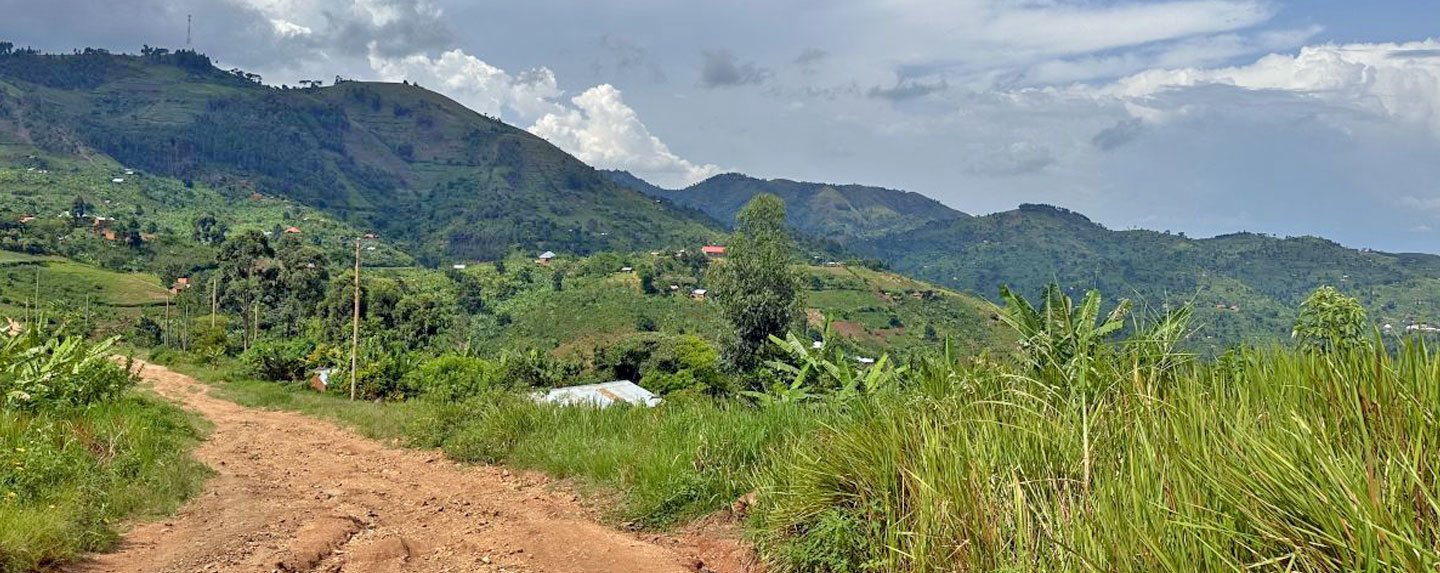
Last Mile Delivery of Vital Healthcare
This year, our matched funding is coming from some of our generous supporters and Aeonian Foundation.
Help us to reach remote East African communities with last mile delivery of vital healthcare
At CHASE Africa we believe everyone should have access to healthcare, and be able to make informed decisions regarding their sexual and reproductive health and rights.
But for millions of people in East Africa this is not a reality as they live so far from a health facility. Some people make the long walk to a clinic only to find that stocks or personnel are unavailable, and the facility cannot provide the health service they need. Many cannot pay for transport to a more distant clinic.
Working with 14 local partners in Kenya, Uganda and Tanzania, our projects take free, primary health care and family planning commodities to these remote, isolated communities.
We train Community Health Workers, so they can talk about the numerous misconceptions that surround family planning, explain to parents how vital it is for their children to receive lifesaving immunisations, and for women to attend antenatal and postnatal appointments and encourage skilled deliveries. Community Health Workers provide referrals where necessary.
Backpack Nurses, hired on a locum basis from the Ministry of Health, reach communities by motorbike. Patients, who have been identified by the Community Health Workers, are seen either individually or in small groups in communal spaces like churches or schools.
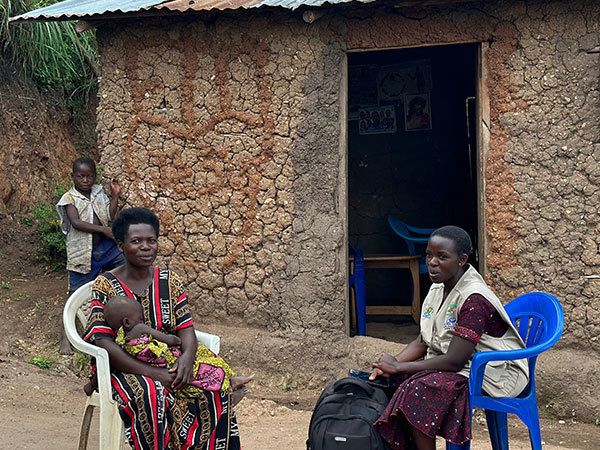
Ithugu Grace, a Backpack Nurse for RCRA Uganda, visits Jovia at her home
On other occasions vehicles will be used to provide an outreach clinic with more medical staff so a wider variety of healthcare services can be provided.
Women and girls may be unable to access family planning services even when they want them. In 2015 – 2019 in Kenya, 61% of all pregnancies were unintended[1]. In the rural areas where we work there are higher levels of teenage pregnancy, poverty, and lower levels of education. Many mothers are teenagers, some as young as 12.
Some women resort to seeking risky, illegal abortions, which often result in severe medical complications and sometimes death. Kenya has one of the highest maternal mortality rates in the world, with 530 deaths per 100,000 live births[2]. Rates are even higher in Uganda and Tanzania.
When women are able to choose how many children they would like to have, their health and wellbeing improves. Women who can space their children find they have more time to care for their children. More time also means the opportunity to generate income, so families can afford to send their children to school and give them the chance of a brighter future.
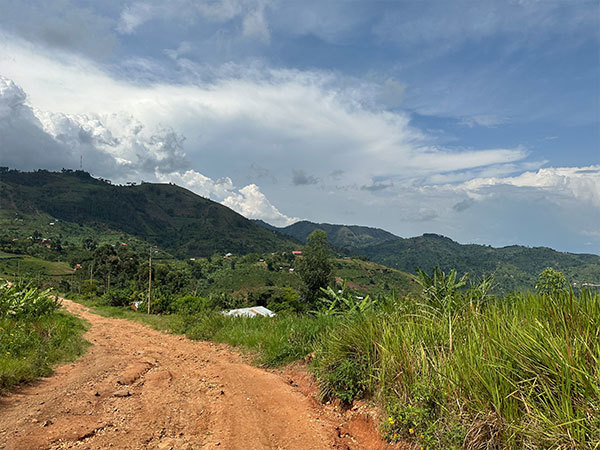
The road to Busara village where RCRA Uganda’s Backpack Nurses travel to reach scheduled clients appointments in people's homes